We believe our philosophy to be sound and our strategy unique, but it is only repeatable if research personnel have the right temperament to maintain discipline in volatile markets.
UNIQUE STRATEGY
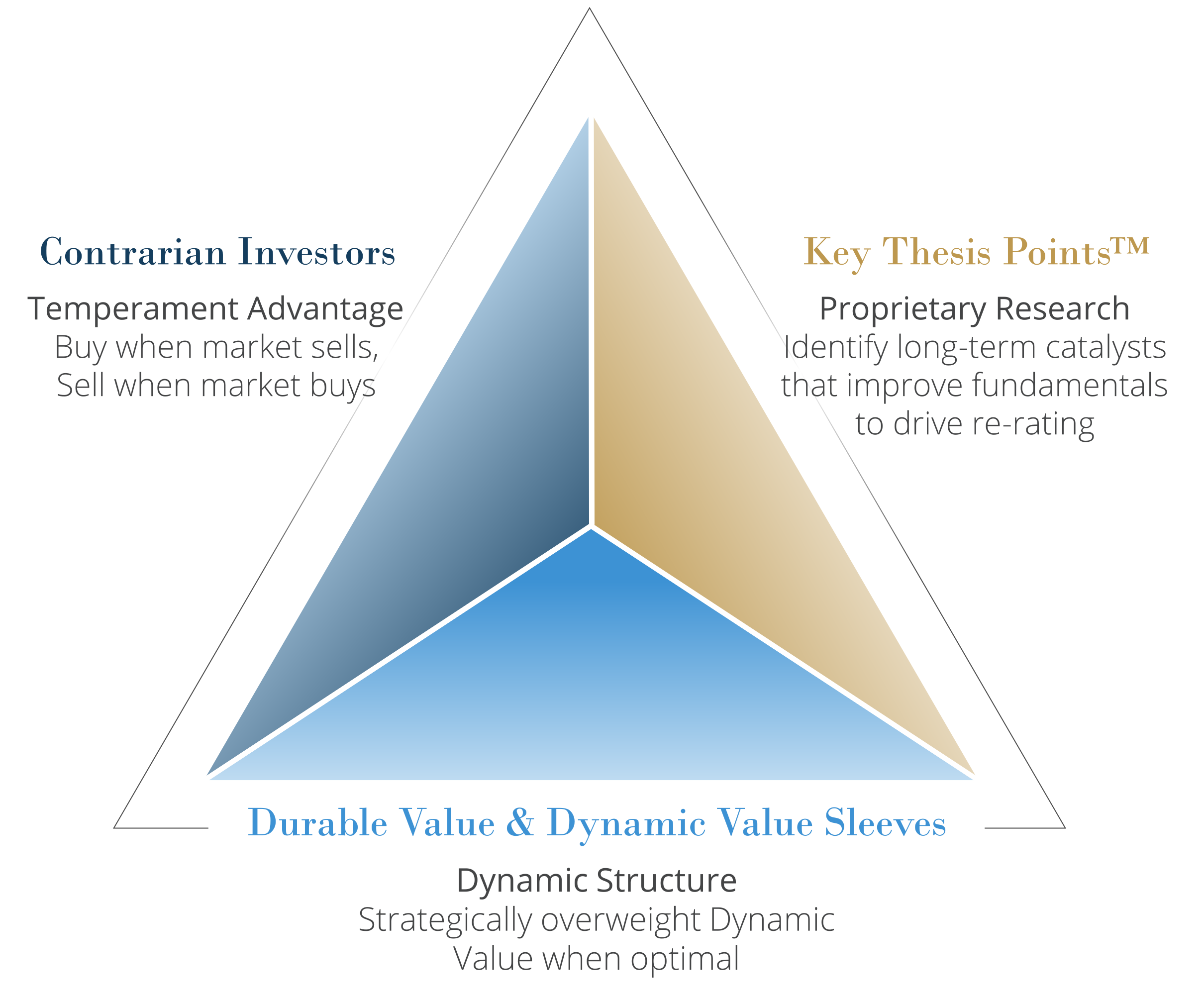
We believe our blend of Durable Value and Dynamic Value companies, our expertise in identifying Key Thesis Points™ (long-term business catalysts), and our ability to opportunistically overweight Dynamic Value Companies is unique in the marketplace.
Contrarian
Buy when the market is selling…
then sell when the market is buying
Durable Value and Dynamic Value Sleeves
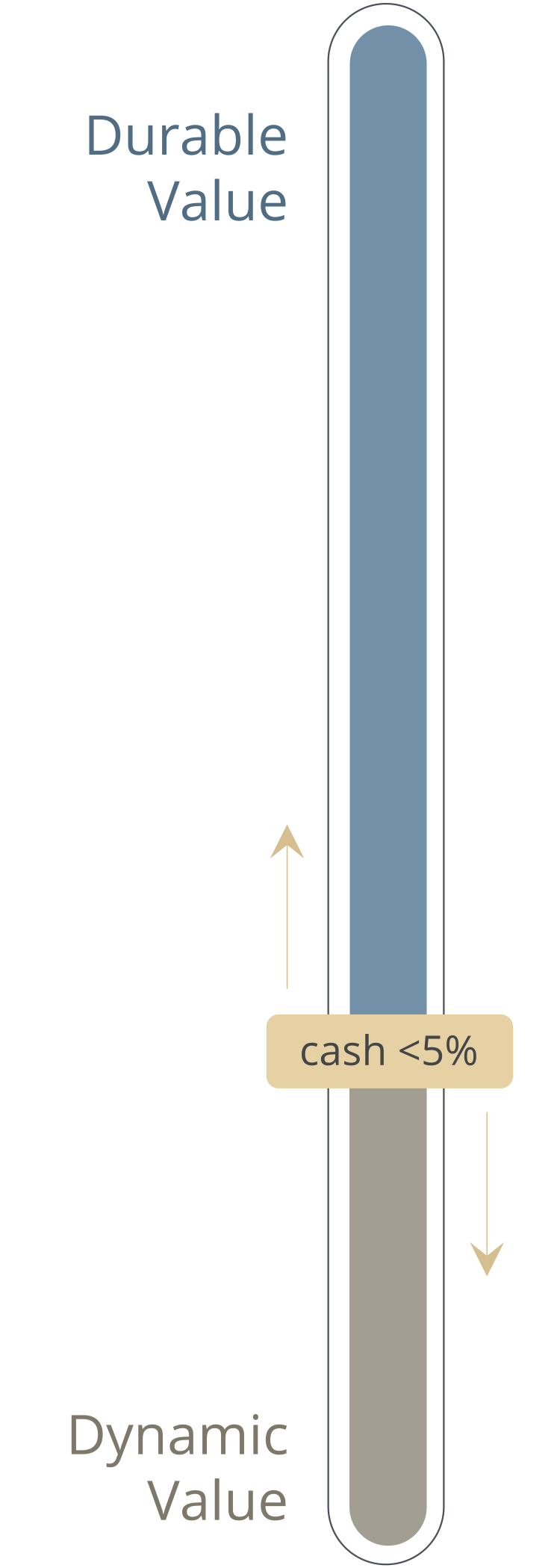
The strategy is designed so that the weighting of Durable Value businesses in the portfolio will always be larger than the more volatile Dynamic Value companies
Durable Value companies are wide moat businesses with high returns on capital, sustainable competitive advantages, and strong management teams. We identify them with our Ten Point Review Process and buy opportunistically.
Dynamic Value companies are good businesses with sound balance sheets. We believe that they are simply misunderstood and oversold which presents us with an inefficiency we can exploit for our investors.
Other managers tend to invest in either Durable Value OR Dynamic Value companies; not both. We think our unique dynamic combination of the two provides greater upside potential with a more palatable volatility profile for the typical investor.
Key Thesis PointsTM
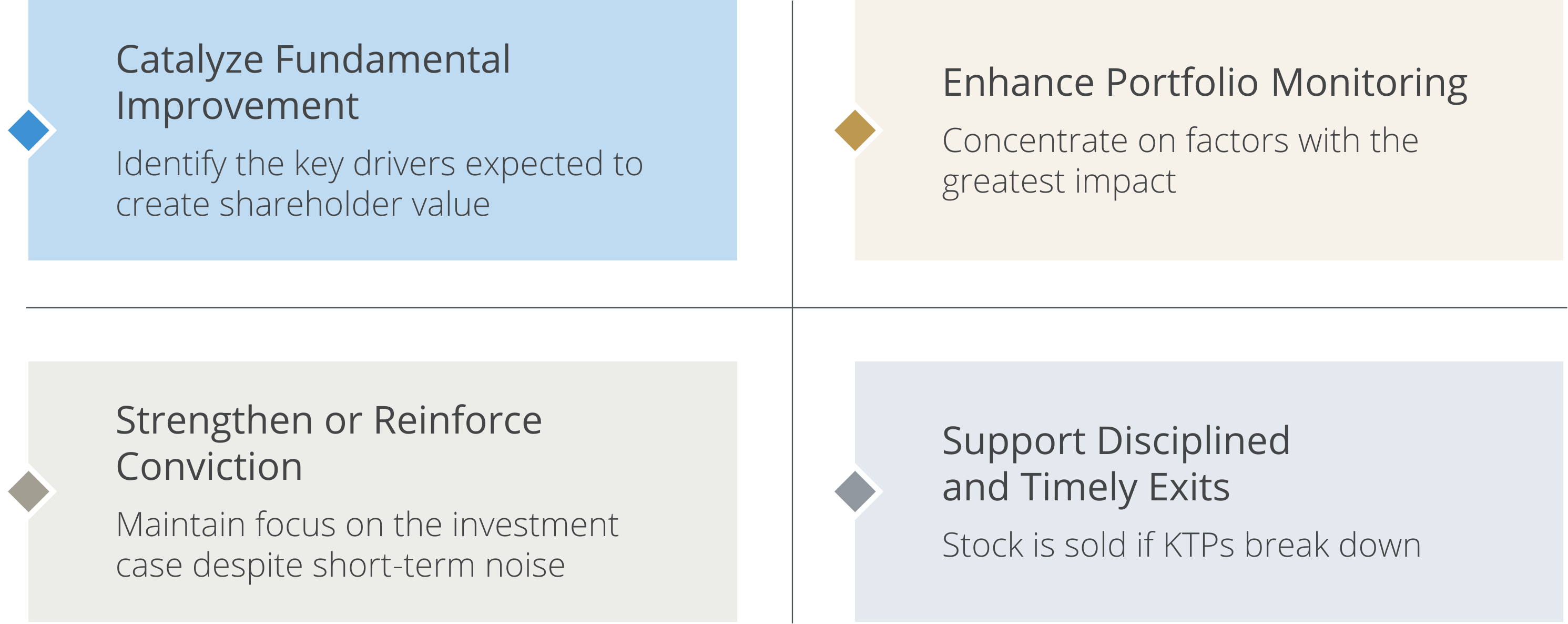
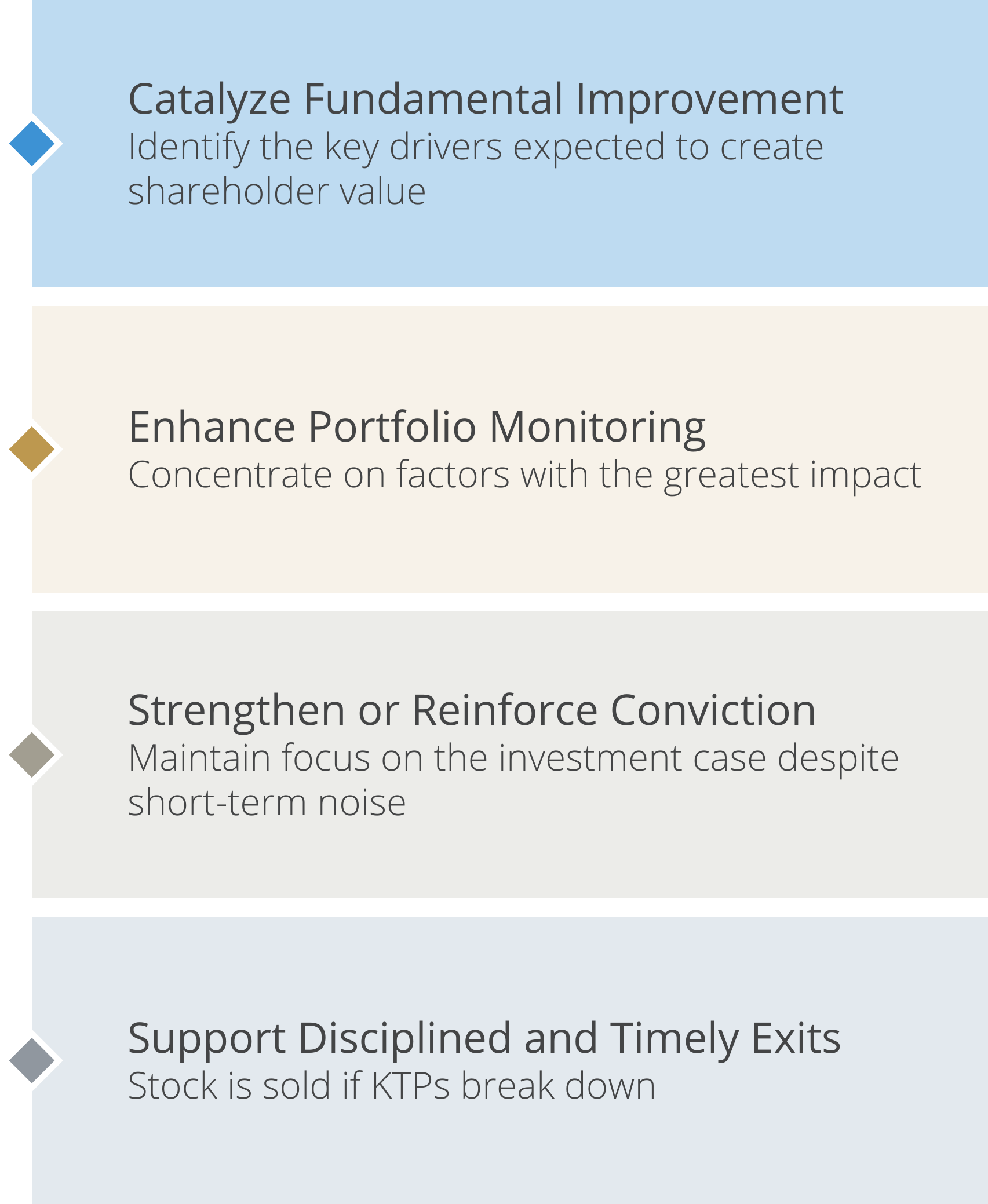
Team’s research is focused in identifying a few stock-specific Key Thesis PointsTM (KTPs) that:
How do we avoid “value traps” or “falling knives?” We believe our ability to identify and monitor Key Thesis Points™ is critical to helping us avoid pitfalls common to the value-oriented investor.
Identifying undervalued securities and other assets is difficult, and there are no assurances that Lone Peak Global Investors’ (formerly Clifford Capital Partners) fair value estimates will be accurate or that its strategies will succeed. As with all investing, the potential for profit is accompanied by the risk of loss. Portfolios are concentrated in less than 50 stocks, which can lead to increased short-term volatility; and greater possibility of all or some principal loss. Dynamic value or out of favor stocks may also increase the potential loss of principal as well as result in greater portfolio volatility as compared to more traditional investment approaches. The prices of common stock fluctuate based on changes in the financial condition of their issuers and on market and economic conditions. Events that have a negative impact on a business probably will be reflected in a decline in the price of its common stock. Furthermore, when the total value of the stock market declines, most common stocks, even those issued by strong companies, likely will decline in value.
We use cookies to improve your experience on our site. To find out more, read our privacy policy and cookie policy. By continuing to browse this site, you agree to our use of cookies.